June 8, 2026
Snoring, fatigue, headaches, and brain fog may be more than an inconvenience. Learn the common signs of sleep apnea and when it's time to seek treatment.
Tired All the Time? Your Sleep Could Be the Problem.
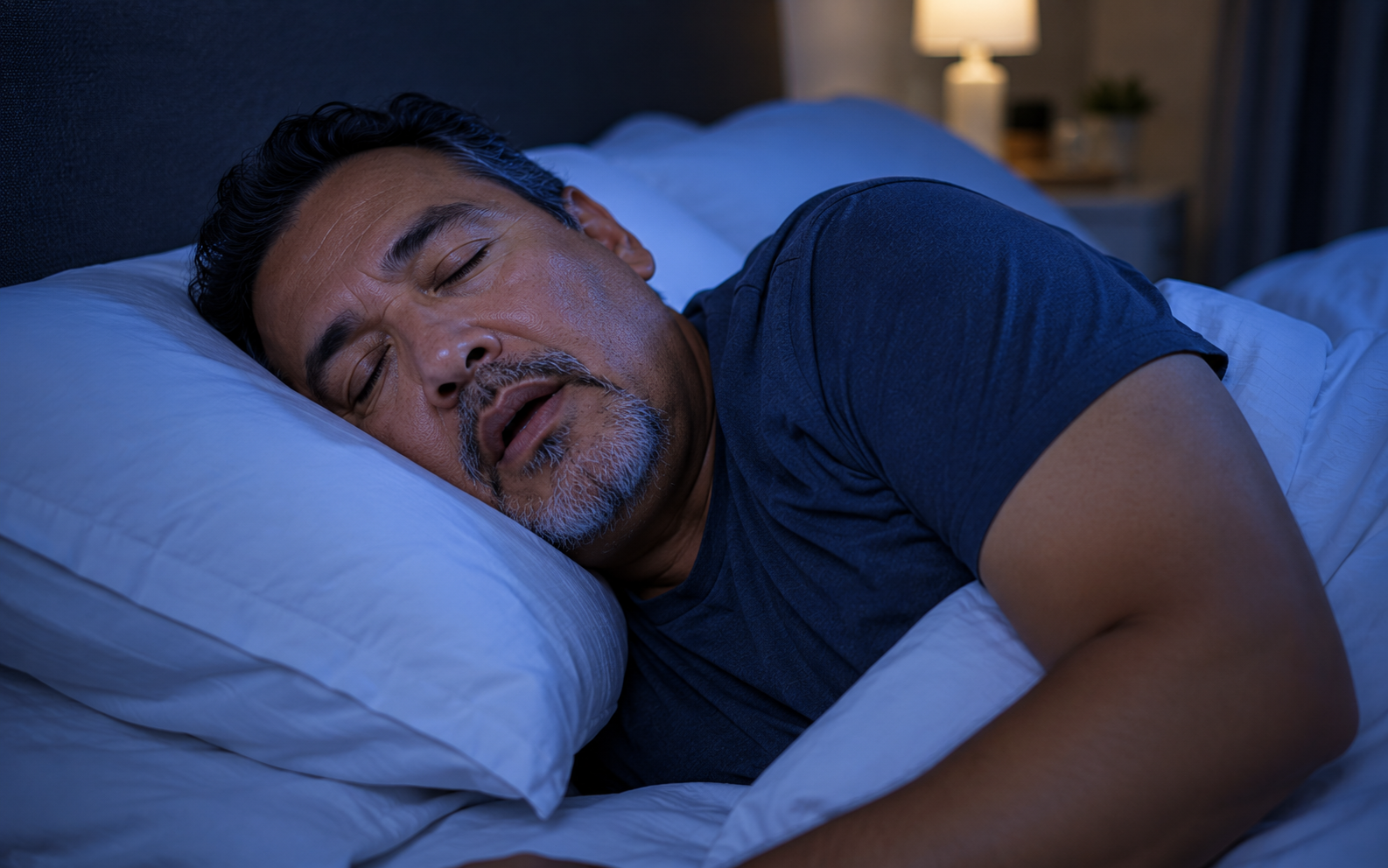
Most people assume snoring is simply an annoyance.
But in some cases, loud snoring, chronic fatigue, and restless sleep can be signs of a much more serious condition called sleep apnea.
Sleep apnea affects millions of Americans, many of whom don't even realize they have it. Left untreated, sleep apnea can impact your energy levels, concentration, overall health, and quality of life.
At Groovy Dental, we help patients throughout Austin understand the warning signs of sleep apnea and explore treatment options that can help them sleep better, breathe easier, and wake up feeling refreshed.
If you've been struggling with poor sleep, here are some symptoms you should never ignore.
What Is Sleep Apnea?
Sleep apnea is a sleep disorder that causes breathing to repeatedly stop and start throughout the night.
The most common form is Obstructive Sleep Apnea (OSA), which occurs when the airway becomes partially or completely blocked while sleeping.
When breathing stops, your body briefly wakes itself up to restore airflow. These interruptions can happen dozens or even hundreds of times each night, preventing you from reaching the deep, restorative sleep your body needs.
Many people with sleep apnea don't remember waking up, but they feel the effects every day.
1. Loud, Chronic Snoring
Not everyone who snores has sleep apnea, but loud, frequent snoring is one of the most common warning signs.
You may want to pay attention if:
- Your snoring is loud enough to be heard in another room
- Family members complain about your snoring
- Your snoring is accompanied by choking or gasping sounds
- Your partner notices pauses in your breathing
Because you're asleep when it happens, a spouse or family member is often the first person to recognize the problem.
2. Waking Up Tired No Matter How Long You Sleep
Do you get seven to eight hours of sleep but still wake up exhausted?
Sleep apnea prevents your body from getting the deep sleep necessary for proper recovery and restoration.
Many patients describe:
- Feeling exhausted in the morning
- Needing multiple cups of coffee to function
- Struggling to stay alert throughout the day
- Feeling like they never get enough sleep
If you're constantly tired despite spending enough time in bed, sleep apnea could be the cause.
3. Morning Headaches
Frequent morning headaches can be another warning sign.
Interrupted breathing reduces oxygen levels during sleep, which may contribute to headaches upon waking.
Many people notice:
- Headaches shortly after waking
- Pressure around the temples
- Symptoms that improve as the day progresses
If morning headaches have become a regular occurrence, it's worth discussing with a healthcare professional.
4. Daytime Sleepiness
One of the most dangerous symptoms of sleep apnea is excessive daytime fatigue.
Many patients experience:
- Falling asleep while watching TV
- Difficulty staying awake during meetings
- Trouble concentrating at work
- Drowsiness while driving
Persistent sleepiness can increase the risk of workplace accidents and motor vehicle collisions.
5. Dry Mouth or Sore Throat When You Wake Up
Many people with sleep apnea breathe through their mouth while sleeping.
As a result, they often wake up with:
- Dry mouth
- Sore throat
- Bad breath
- Increased thirst
These symptoms may seem minor, but they can provide important clues about your nighttime breathing patterns.
6. Difficulty Concentrating or Memory Problems
Poor sleep affects much more than energy levels.
Sleep apnea may contribute to:
- Brain fog
- Difficulty focusing
- Forgetfulness
- Reduced productivity
- Trouble completing daily tasks
Many patients are surprised to learn that their concentration issues are related to sleep rather than age or stress.
7. Mood Changes and Irritability
Sleep and mental health are closely connected.
Because sleep apnea prevents restorative sleep, many people experience:
- Irritability
- Mood swings
- Anxiety
- Increased stress
- Symptoms of depression
When your body isn't getting the rest it needs, it becomes much harder to manage everyday challenges.
8. High Blood Pressure
Sleep apnea isn't just a sleep problem—it can affect your overall health.
Research has linked untreated sleep apnea to:
- High blood pressure
- Heart disease
- Stroke
- Type 2 diabetes
- Increased cardiovascular risk
This is one reason why early diagnosis and treatment are so important.
Why Dentists Often Help Identify Sleep Apnea
Many patients are surprised to learn that dentists can play an important role in recognizing sleep apnea symptoms.
During routine dental examinations, dentists may notice signs such as:
- Teeth grinding (bruxism)
- Jaw tension
- Airway concerns
- Tongue positioning issues
- Wear patterns associated with sleep-related disorders
Because we regularly evaluate oral structures and airway health, dental visits often provide an opportunity to identify potential concerns that might otherwise go unnoticed.
Sleep Apnea Treatment Options
The right treatment depends on the severity of your condition and your individual needs.
Common treatment options may include:
Oral Appliance Therapy
Custom oral appliances can help keep the airway open during sleep by gently repositioning the jaw.
Many patients prefer oral appliances because they are:
- Comfortable
- Portable
- Quiet
- Easy to use while traveling
CPAP Therapy
Continuous Positive Airway Pressure (CPAP) machines remain one of the most common treatments for moderate to severe sleep apnea.
Lifestyle Changes
Weight management, sleep position adjustments, and other lifestyle modifications may also help reduce symptoms.
When Should You Seek Help?
If you experience any combination of the symptoms above, don't ignore them.
Sleep apnea is a medical condition that can affect your energy, productivity, relationships, and long-term health.
The sooner it's identified, the sooner you can begin finding solutions that help you sleep better and feel better.
Find Out If Sleep Apnea Is Affecting Your Health
Many people live with sleep apnea for years without realizing it.
If you snore, wake up exhausted, experience daytime fatigue, or have concerns about your sleep quality, it may be time to explore your options.
At Groovy Dental, we help patients throughout Austin, Cedar Park, Round Rock, Leander, Georgetown, and Pflugerville better understand their sleep health and determine whether sleep apnea treatment may be appropriate.
You deserve more than simply getting through the day tired. Better sleep could be the key to feeling like yourself again.