June 8, 2026
Don't Ignore Tooth Pain — Your Mouth Is Trying to Tell You Something
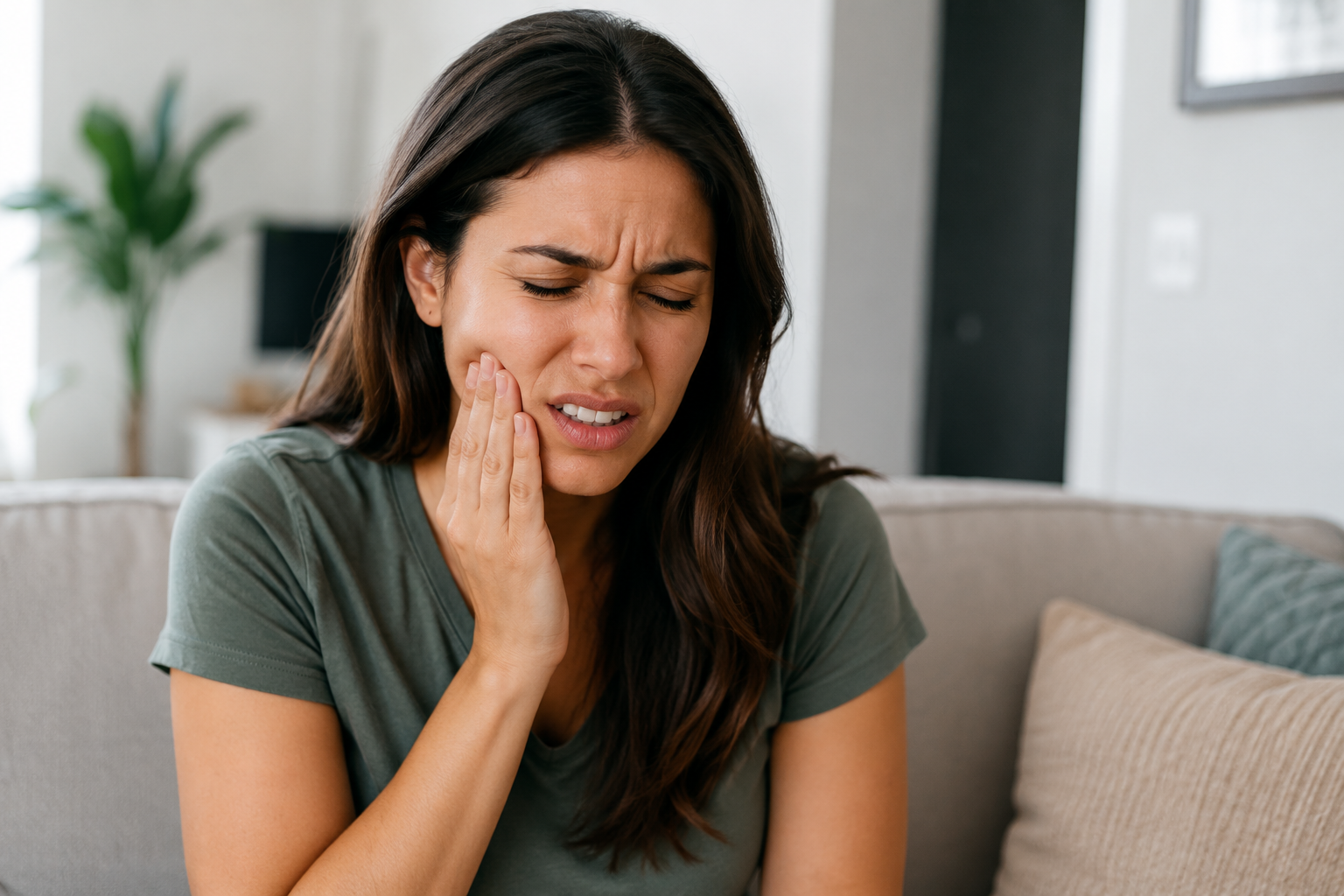
A toothache can range from a mild annoyance to severe pain that disrupts your day. Whether it's a dull ache, sharp pain when chewing, or sensitivity to hot and cold foods, tooth pain is often a sign that something needs attention.
One of the most common questions we hear from patients at Groovy Dental is:
"Why does my tooth hurt?"
The truth is that toothaches can have several different causes, and identifying the source of the pain is the first step toward finding relief.
If you're experiencing tooth pain in Austin, Cedar Park, Round Rock, Leander, Georgetown, or Pflugerville, here are seven of the most common reasons our dental team sees patients for toothaches.
1. Tooth Decay (Cavities)
Cavities are one of the leading causes of tooth pain.
When bacteria in your mouth produce acids that wear away tooth enamel, small holes can form in the tooth. As decay progresses deeper into the tooth, it can begin affecting the sensitive inner layers where nerves are located.
Common symptoms include:
- Sensitivity to sweets
- Pain when eating or drinking
- Toothache that comes and goes
- Visible holes or dark spots
The good news is that cavities are highly treatable when caught early. Regular dental cleanings and exams help detect decay before it becomes a larger issue.
2. A Cracked or Broken Tooth
Sometimes tooth pain appears suddenly after biting into something hard, while other times it develops gradually.
Even small cracks can expose sensitive areas of the tooth and allow bacteria to enter.
Signs of a cracked tooth may include:
- Pain when chewing
- Sharp pain that comes and goes
- Sensitivity to temperature changes
- Discomfort when releasing pressure after biting
Not all cracks are visible to the naked eye, which is why a dental evaluation is important if you're experiencing unexplained tooth pain.
3. Tooth Infection or Abscess
A dental infection occurs when bacteria reach the inner pulp of the tooth.
This is often one of the most painful dental conditions and should be treated promptly.
Symptoms may include:
- Severe throbbing pain
- Swelling around the tooth or jaw
- Bad taste in the mouth
- Fever
- Sensitivity to pressure
An untreated infection can spread beyond the tooth and become a more serious health concern.
If you're experiencing severe tooth pain accompanied by swelling, contact a dentist as soon as possible.
4. Gum Disease
Many people assume all tooth pain comes directly from the tooth itself, but gum disease is another common culprit.
Inflamed or infected gums can cause:
- Tenderness
- Bleeding when brushing
- Gum recession
- Loose teeth
- General discomfort around the teeth
As gum disease progresses, it can affect the structures that support your teeth, leading to increased sensitivity and pain.
Professional cleanings and periodontal care can help stop gum disease before it worsens.
5. Teeth Grinding (Bruxism)
Many people grind or clench their teeth while sleeping without realizing it.
Over time, grinding can place significant pressure on the teeth and jaw, leading to:
- Morning tooth soreness
- Jaw pain
- Headaches
- Worn enamel
- Increased sensitivity
A custom night guard can often protect your teeth and reduce the symptoms associated with grinding.
6. Wisdom Teeth Problems
Wisdom teeth frequently become a source of pain during the late teens and twenties, but they can cause issues at any age.
Common wisdom tooth symptoms include:
- Pain in the back of the mouth
- Swollen gums
- Jaw discomfort
- Difficulty chewing
Impacted wisdom teeth can put pressure on surrounding teeth and create infection risks if not properly monitored.
7. Tooth Sensitivity
If your tooth hurts when you eat ice cream or drink hot coffee, sensitivity may be the cause.
Sensitive teeth can result from:
- Worn enamel
- Gum recession
- Teeth grinding
- Recent dental treatment
- Cracked teeth
While sensitivity is common, persistent discomfort should still be evaluated to rule out more serious concerns.
When Is a Toothache an Emergency?
Some toothaches can wait a few days for an appointment, while others require immediate attention.
You should contact a dentist right away if you experience:
- Severe or worsening pain
- Swelling in the face or jaw
- Fever
- A knocked-out tooth
- Difficulty swallowing
- Signs of infection
Prompt treatment can often prevent more extensive and costly dental procedures later.
How Can You Relieve Tooth Pain at Home?
While professional treatment is often necessary, these steps may help temporarily reduce discomfort:
- Rinse with warm salt water
- Use a cold compress on the outside of the face
- Take over-the-counter pain relievers as directed
- Avoid extremely hot, cold, or sugary foods
- Gently floss around the affected tooth
Remember that these are temporary measures and do not address the underlying cause.
Find Relief From Tooth Pain at Groovy Dental
A toothache is your body's way of telling you something isn't right. Whether the cause is a cavity, infection, cracked tooth, or gum disease, early treatment can help protect your smile and prevent more serious complications.
At Groovy Dental, we help patients throughout Austin, Cedar Park, Round Rock, Leander, Georgetown, and Pflugerville find answers and relief from tooth pain. Our team uses advanced technology and a patient-first approach to diagnose the problem and create a treatment plan that fits your needs.
If you're experiencing tooth pain, don't wait for it to get worse.
Schedule an appointment with Groovy Dental today and let our team help you get back to smiling comfortably.